Understanding Sleep Hygiene: How to Get Better RestTop 10 Tips for Maintaining a Healthy Lifestyle Every Day
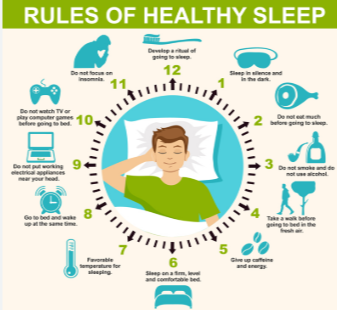
Sleep hygiene is essential for overall health. It encompasses various practices that improve sleep quality and promote well-being. Understanding these principles can lead to better rest and a healthier lifestyle. From establishing a consistent sleep schedule to optimizing the sleep environment, each element plays a vital role. However, many overlook the importance of mindful choices and stress management. Exploring these aspects can unveil effective strategies for achieving restorative sleep and enhancing daily life.
Establish a Consistent Sleep Schedule
Although many people underestimate its importance, establishing a consistent sleep schedule is crucial for maintaining overall health and well-being.
Regular sleep patterns align with the body’s natural circadian rhythms, promoting restorative sleep and enhancing cognitive function. When individuals prioritize a fixed bedtime and wake time, they signal their bodies to release hormones like melatonin, which can significantly improve sleep quality.
Disruptions to this schedule can lead to difficulty falling asleep, increased fatigue, and diminished focus throughout the day. Recognizing the value of a consistent routine empowers individuals to reclaim their nights and, ultimately, their days.
Create a Relaxing Bedtime Routine
Creating a relaxing bedtime routine can significantly enhance sleep quality.
It is advisable to limit screen time in the hour leading up to sleep, as the blue light emitted by devices can interfere with the body’s natural sleep-wake cycle.
Incorporating calming activities, such as reading or gentle stretching, can further promote a sense of tranquility and prepare the mind and body for rest.
Limit Screen Time
As individuals wind down for the evening, limiting screen time becomes essential for fostering a serene bedtime atmosphere.
Research shows that excessive screen time impacts sleep quality by disrupting circadian rhythms and increasing mental stimulation. Engaging with electronic devices right before bed can hinder the body’s natural ability to relax and prepare for rest.
A digital detox in the hours leading up to sleep allows the mind to unwind and transition into a more peaceful state. By creating boundaries around screen usage, individuals can cultivate a tranquil environment conducive to better sleep.
Embracing this practice not only aids in falling asleep faster but also enhances overall health and well-being, empowering individuals to reclaim their nights and enjoy restorative rest.
Incorporate Calming Activities
Incorporating calming activities into a nightly routine can significantly enhance the quality of sleep, as a structured approach to winding down allows the mind and body to transition into rest mode.
Engaging in mindfulness meditation helps individuals cultivate awareness and relaxation, reducing stress and anxiety that can hinder sleep. Practicing gentle yoga can further promote serenity, easing tension in the body while encouraging deeper breaths.
Both activities serve as an effective counterbalance to the day’s demands, fostering a peaceful atmosphere conducive to restful slumber. By dedicating time to these calming practices, individuals empower themselves to reclaim their evenings, creating a sanctuary of tranquility that nurtures their overall well-being and enhances their sleep hygiene.
Optimize Your Sleep Environment
A serene sleep environment plays a crucial role in promoting restorative rest. To achieve this, individuals should focus on optimal sleep temperature, typically between 60-67°F (15-19°C), which is conducive to deeper sleep cycles.
Additionally, noise control is essential; minimizing disruptive sounds through earplugs or white noise machines can create a more tranquil atmosphere. Soft, dim lighting can further enhance relaxation, signaling to the body that it’s time to unwind.
Clutter-free surroundings contribute to a sense of calm, as does the use of comfortable bedding and supportive pillows. By thoughtfully curating their sleep environment, individuals can foster a sanctuary that encourages quality sleep, empowering them to embrace each day with renewed vigor and vitality.
Limit Exposure to Screens Before Bed
Research indicates that exposure to blue light emitted by screens can disrupt the body’s natural sleep-wake cycle, making it harder to fall asleep.
To promote better sleep hygiene, individuals are encouraged to establish a screen-free period before bedtime, allowing the mind to unwind.
Additionally, exploring alternative relaxation methods, such as reading or meditative practices, can enhance the transition to a restful night’s sleep.
Blue Light Effects
Many individuals may not realize the significant impact that blue light emitted from screens can have on sleep quality. This form of light, prevalent in smartphones and computers, disrupts the production of melatonin, a hormone essential for sleep. Prolonged exposure before bedtime can lead to difficulty falling asleep and diminished restfulness.
To combat these effects, individuals can utilize blue light filters on devices or engage in a digital detox, allowing the mind to unwind without the stimulation of screens. Reducing screen time in the evening not only promotes better sleep but also enhances overall well-being.
Prioritizing this adjustment can empower individuals to reclaim restful nights and improve their daily lives, fostering a more balanced lifestyle.
Establish Screen-Free Time
Establishing screen-free time before bed can significantly enhance the quality of sleep. By limiting exposure to screens, individuals can promote relaxation and prepare their minds for rest.
Engaging in screen-free activities, such as reading a book, practicing mindfulness, or enjoying a warm bath, can serve as a soothing transition to bedtime. This digital detox not only reduces blue light exposure but also allows the brain to unwind from the day’s digital stimuli.
Creating a consistent routine that includes dedicated screen-free time fosters a healthier sleep environment. By prioritizing this practice, individuals can reclaim their evenings, find freedom from technology’s grasp, and ultimately improve their overall well-being and sleep hygiene.
Alternative Relaxation Methods
While screens can be a source of distraction and stimulation, incorporating alternative relaxation methods into a bedtime routine can significantly improve sleep quality.
Techniques such as aromatherapy practices, utilizing calming essential oils, can create a soothing atmosphere. Mindfulness meditation and breath awareness enhance mental clarity, while guided imagery and visualization techniques transport the mind to peaceful settings.
Progressive relaxation helps to release physical tension, making way for deeper rest. Sound therapy, including nature sounds, fosters tranquility and masks disruptive noises. Yoga nidra, a state of conscious relaxation, encourages a profound sense of peace.
Additionally, a body scan can promote awareness of bodily sensations, facilitating relaxation. Embracing these methods empowers individuals to reclaim restful nights and enhance overall well-being.
Be Mindful of Food and Drink Choices
Regularly being mindful of food and drink choices can significantly influence sleep quality. Caffeine consumption, especially in the hours leading up to bedtime, can disrupt the body’s natural sleep cycle. Individuals seeking better rest might consider limiting caffeine intake to the morning and exploring alternatives like herbal teas in the evening.
Additionally, nutrient timing plays a crucial role; consuming balanced meals at appropriate intervals can regulate energy levels and promote relaxation. Foods rich in magnesium and tryptophan, such as nuts and turkey, can enhance sleep quality.
Incorporate Regular Physical Activity
Engaging in regular physical activity can markedly enhance sleep quality and overall well-being. Individuals can choose from various activity types, such as aerobic exercises, strength training, or outdoor activities, to suit their preferences.
These fitness benefits extend beyond improved sleep; they also boost energy levels and promote physical wellness. To maintain consistency, establishing workout schedules and incorporating motivation strategies, like setting health goals or joining a group, can foster commitment.
Social engagement through exercise not only makes routines enjoyable but also builds community support. Ultimately, integrating regular physical activity into daily life empowers individuals to embrace their freedom, leading to healthier lifestyles and restful nights, allowing them to thrive both physically and mentally.
Manage Stress and Anxiety
Managing stress and anxiety is essential for achieving restorative sleep, as these emotional states can significantly disrupt the body’s natural rhythms. Individuals often find themselves overwhelmed by daily pressures, leading to racing thoughts and sleepless nights.
Employing mindfulness techniques can be a transformative approach to stress management. Practices such as meditation, deep breathing exercises, and progressive muscle relaxation help individuals cultivate a sense of calm and awareness, allowing them to detach from their worries.
Establishing a consistent routine that incorporates these techniques can empower individuals to regain control over their emotional well-being. By prioritizing mental health and incorporating effective stress management strategies, individuals pave the way for improved sleep quality and overall health, fostering a life marked by greater freedom and vitality.
Limit Naps During the Day
Limiting naps during the day can significantly enhance overall sleep quality.
Research suggests that ideal nap duration is around 20 to 30 minutes, with early afternoon being the best time to recharge without disrupting nighttime rest.
Understanding the impact of daytime naps on evening sleep patterns is crucial for those seeking better sleep hygiene.
Ideal Nap Duration
Napping can be beneficial, but the duration of these midday rests plays a crucial role in their effectiveness. The ideal nap length is typically between 10 to 20 minutes, allowing individuals to recharge without entering deeper sleep stages, which can lead to grogginess.
This brief period is sufficient to enhance alertness and improve mood, aligning with the principles of sleep hygiene. Longer naps, exceeding 30 minutes, may disrupt nighttime sleep patterns and lead to inertia.
Therefore, understanding optimal nap timing is essential. By choosing to nap early in the afternoon, individuals can maximize the restorative benefits while minimizing potential disruptions to their overall sleep cycle.
Emphasizing the right duration fosters a healthier, more balanced approach to daily energy management.
Best Nap Timing
When is the best time to take a nap during the day?
Research suggests that the optimal timing for a nap is early afternoon, typically between 1:00 PM and 3:00 PM. This period aligns with the body’s natural circadian rhythms, often leading to increased alertness and performance post-nap.
It’s crucial to limit nap duration to about 20-30 minutes to prevent grogginess and to ensure that the nap doesn’t interfere with nighttime sleep.
By adhering to this timing and duration, individuals can enjoy the rejuvenating benefits of napping without compromising their overall sleep quality.
Embracing these guidelines allows for a more balanced lifestyle, empowering individuals to harness the restorative power of short, timely naps.
Effects on Night Sleep
While short naps can offer a refreshing boost during the day, excessive daytime sleeping can significantly disrupt nighttime rest. Overindulging in naps may reduce overall sleep duration, leading to difficulties in falling asleep at night.
When individuals frequently nap for extended periods, their body’s natural circadian rhythm can become misaligned, diminishing sleep quality. This disruption often results in restless nights, leaving individuals feeling groggy and unrefreshed upon waking.
Striking a balance is crucial; limiting daytime naps to 20-30 minutes can enhance alertness without compromising nighttime slumber. For those seeking freedom in their daily lives, understanding the impact of daytime napping on nighttime rest is essential for achieving a healthier, more restorative sleep cycle.
Seek Natural Light Exposure
Natural light exposure plays a crucial role in regulating the body’s internal clock, known as the circadian rhythm, which influences sleep quality and overall well-being.
By harnessing the natural light benefits during the day, individuals can enhance their mood, energy levels, and productivity. This exposure helps to signal the body when to be awake and when to wind down, promoting a healthier sleep cycle.
Spending time outdoors or near windows allows for the optimal intake of sunlight, which can be particularly beneficial for those who struggle with sleep disorders.
Embracing natural light not only fosters a sense of connection with the environment but also empowers individuals to take control of their health, leading to more restful nights and invigorated days.
Consult a Professional if Needed
Recognizing the need for professional guidance is an essential step for individuals experiencing persistent sleep issues.
Sleep disorders can significantly impact one’s quality of life, affecting mood, productivity, and overall health. Consulting with a healthcare professional can provide valuable insights into underlying causes and tailored treatment options.
Professionals can conduct comprehensive evaluations, including sleep studies, to identify specific disorders such as insomnia or sleep apnea. They may recommend behavioral therapies, lifestyle changes, or medication as appropriate.
Seeking help is not a sign of weakness but rather an empowering choice towards reclaiming restful nights. By prioritizing professional guidance, individuals can navigate their sleep challenges more effectively, fostering a healthier, more vibrant life.
Conclusion
In summary, understanding sleep hygiene is vital for rejuvenation and overall health. By establishing consistent schedules, creating calming routines, and optimizing environments, individuals can foster better rest. Embracing mindful choices, managing stress, and seeking natural light enhances daily vitality. When struggles arise, professional guidance can illuminate pathways to restorative sleep. Ultimately, prioritizing these practices not only enriches the quality of sleep but also nurtures a balanced, thriving lifestyle, paving the way for brighter, more energized days ahead.